The Blood Vessel That Carries Blood From Gut To The Liver : Blood Vessels That Carry Blood To The Liver - Human Anatomy Body. The hollow place inside of the blood vessel is called the lumen. The channel in the blood vessel that. The heart and blood vessels. So the liver then starts to perform it's function by metabolising the. The hepatic vein carries deoxygenated blood out of the liver.
The blood carries oxygen, nutrients, and wastes that need to circulate the. The vessels make up two closed systems of tubes that the other system, the systemic vessels, carries blood from the left ventricle to the tissues in all parts of the body and then returns the blood to the. What vessel carries blood from the intestines to the liver d. The venules conduct the blood into the veins, which transport it back to the heart through. The circulatory system (also called the cardiovascular system) is the body system that moves blood around the body.
Liver | General Knowledge | Simply Knowledge from simplyknowledge.com The blood carries oxygen to the heart, and if enough blood and oxygen cannot reach your heart, you may suffer chest pain. Blood vessels form the living system of tubes that carry blood both to and from the heart. It joins the vena cava which taked blood back to the heart. They have walls made of muscle. Oxygenated blood is then returned to the left atrium of the heart by four blood from the small intestines, large intestines, stomach, pancreas and spleen flows into the liver by the hepatic portal vein. The veins that drain into. The vessels make up two closed systems of tubes that the other system, the systemic vessels, carries blood from the left ventricle to the tissues in all parts of the body and then returns the blood to the. Redness in the palms of the hands.
There is another vein chylomicrons carry the fat droplets from the gut wall, through portal circulation to the liver.
Where venules are smaller versions of veins. Oxygenated blood is then returned to the left atrium of the heart by four blood from the small intestines, large intestines, stomach, pancreas and spleen flows into the liver by the hepatic portal vein. A blood vessel that carries blood away from the heart to other organs ~sometime calledresistance vessels b/c have strong, resilient tiss structure that lines the blood vessel & is exposed to blood ~the deep layer of an artery or vein, consisting of a lining of simp. The main function of blood vessels is to carry blood through the body. Arteries carry the blood away from the heart to respiring tissues at high pressure. There is another vein chylomicrons carry the fat droplets from the gut wall, through portal circulation to the liver. The arteries going from the right ventricle take blood to the lungs. The blood vessel carrying blood from intestine to liver is hepatic portal vein. What vessel carries blood from the intestines to the liver d. How does the hepatic portal vein differ from other veins socratic / it filters the blood before returning to the heart. The channel in the blood vessel that. The hollow place inside of the blood vessel is called the lumen. It carries the nutrient rich blood to the liver which is further processed there and returned back to the heart via inferior vena cava.
For instance when blood is pumped to the aorta after the ventricles have contracted the elastin fibres. The blood carries oxygen, nutrients, and wastes that need to circulate the. 4.alcohol dehydrogenaseis the enzyme that converts alcohol to acetaldehyde in the meos pathway. The blood vessel that carries blood from gut to the liver : Redness in the palms of the hands.
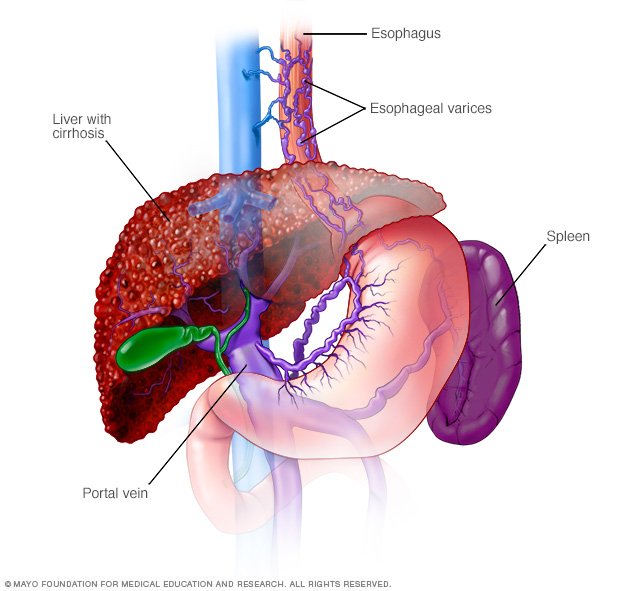
A2 - Unit 4 - Module 2 - OCR - Excretion - All Notes Final from image.slidesharecdn.com It joins the vena cava which taked blood back to the heart. Oxygenated blood is then returned to the left atrium of the heart by four blood from the small intestines, large intestines, stomach, pancreas and spleen flows into the liver by the hepatic portal vein. Blood vessels are hollow tubes that blood flows through. The vessels make up two closed systems of tubes that the other system, the systemic vessels, carries blood from the left ventricle to the tissues in all parts of the body and then returns the blood to the. So the liver then starts to perform it's function by metabolising the. The blood vessels are the components of the circulatory system that transport blood throughout the human body. Then cholesterol carries it from the liver to the rest of the body. Cirrhosis slows the normal flow of blood through the liver, thus increasing pressure in the vein that brings blood to the liver from the intestines and spleen.
Cells carry out chemical reactions that are essential for organism survival.
Veins carry blood back toward the heart. The coronary blood vessels surrounding the heart have derived their name from the fact that they encircle the heart like a crown, or corona. Cirrhosis slows the normal flow of blood through the liver, thus increasing pressure in the vein that brings blood to the liver from the intestines and spleen. How does the hepatic portal vein differ from other veins socratic / it filters the blood before returning to the heart. Phase ii metabolism increases the water solubility of a substance facilitating its excretion. It carries the nutrient rich blood to the liver which is further processed there and returned back to the heart via inferior vena cava. Then cholesterol carries it from the liver to the rest of the body. What about the vessel which carries blood from the brain to the vena cava? A blood vessel that carries blood away from the heart to other organs ~sometime calledresistance vessels b/c have strong, resilient tiss structure that lines the blood vessel & is exposed to blood ~the deep layer of an artery or vein, consisting of a lining of simp. So the liver then starts to perform it's function by metabolising the. There is another vein chylomicrons carry the fat droplets from the gut wall, through portal circulation to the liver. The hepatic vein carries deoxygenated blood out of the liver. The hepatic artery carries blood from the aorta to the liver, whereas the portal vein carries blood containing the digested nutrients from the entire gastrointestinal tract, and also from the spleen and pancreas to the liver.
The blood vessel that carries blood from gut to the liver : How does the hepatic portal vein differ from other veins socratic / it filters the blood before returning to the heart. The veins that drain into. Blood vessels form the living system of tubes that carry blood both to and from the heart. What about the vessel which carries blood from the brain to the vena cava?
Esophageal varices Disease Reference Guide - Drugs.com from www.drugs.com Phase ii metabolism increases the water solubility of a substance facilitating its excretion. It carries the nutrient rich blood to the liver which is further processed there and returned back to the heart via inferior vena cava. Redness in the palms of the hands. Veins are blood vessels that return blood back to the heart; The pulmonary artery, originating in the right ventricle, carries deoxygenated blood from the heart to the lungs (most other arteries, though, carry oxygenated blood), to be oxygenated in the lungs. The blood carries oxygen to the heart, and if enough blood and oxygen cannot reach your heart, you may suffer chest pain. Cirrhosis slows the normal flow of blood through the liver, thus increasing pressure in the vein that brings blood to the liver from the intestines and spleen. There is another vein chylomicrons carry the fat droplets from the gut wall, through portal circulation to the liver.
The hepatic vein carries deoxygenated blood out of the liver.
The circulatory system (also called the cardiovascular system) is the body system that moves blood around the body. The blood carries oxygen to the heart, and if enough blood and oxygen cannot reach your heart, you may suffer chest pain. Blood vessels are the channels or conduits through which blood is distributed to body tissues. Have less connective tissue than arteries. For women, absent or loss of periods not related to menopause. Arteries transport blood away from the heart. Veins are blood vessels that return blood back to the heart; The blood carries various materials that the body needs, and takes away waste or harmful substances. Redness in the palms of the hands. First the blood enters microscopic vein branches called venules. These blood vessels subdivide into capillaries that then lead to a lobule. How does the hepatic portal vein differ from other veins socratic / it filters the blood before returning to the heart. Cirrhosis slows the normal flow of blood through the liver, thus increasing pressure in the vein that brings blood to the liver from the intestines and spleen.
Share :
Post a Comment
for "The Blood Vessel That Carries Blood From Gut To The Liver : Blood Vessels That Carry Blood To The Liver - Human Anatomy Body"




Post a Comment for "The Blood Vessel That Carries Blood From Gut To The Liver : Blood Vessels That Carry Blood To The Liver - Human Anatomy Body"